About Bill
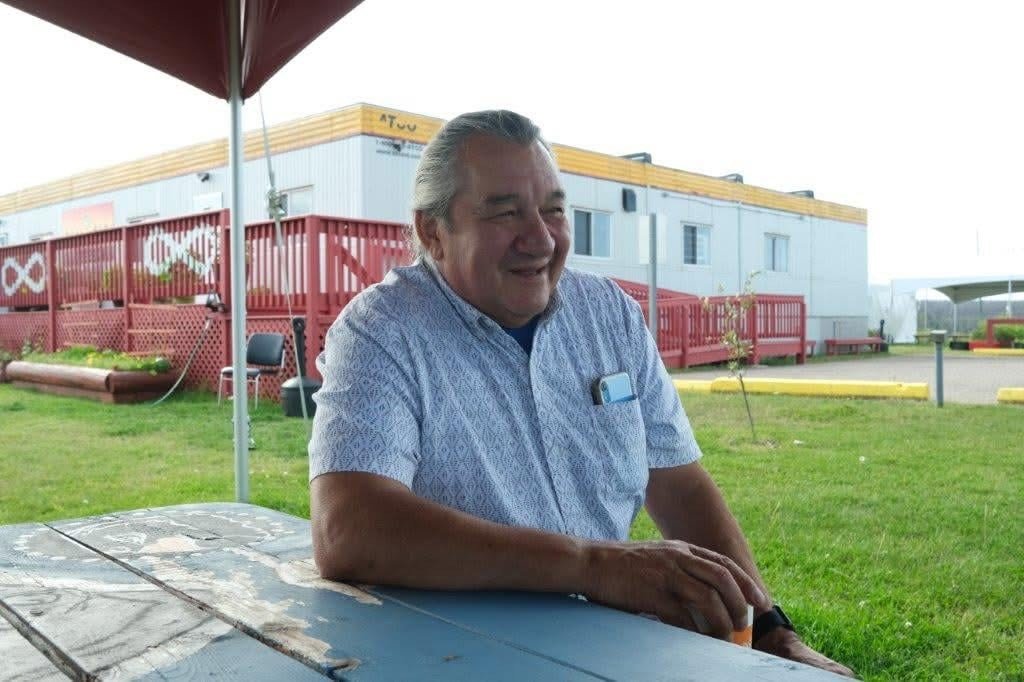
Personal Background & Early Life
Bill Loutitt was born in Uranium City, Saskatchewan. westhawk.com
He spent approximately 15 years working in underground mining in extremely remote northern locations: Uranium City, Yellowknife, Whitehorse, and various mines in northern Saskatchewan and Manitoba. westhawk.com+2forwardsummit.ca+2
After his mining work, he joined TransCanada Pipelines, where he worked as an Electrical, Instrumentation, and Controls Technician. He retired in 2016 after 26 years with TransCanada. forwardsummit.ca+1
Leadership & Roles in the Métis Community
Bill Loutitt has held a number of leadership roles in Métis and Indigenous governance and community organizations, where his focus has been on advancing land rights, resources/environmental stewardship, cultural advancement, and leadership capacity. Key roles include:
CEO of McMurray Métis: As of the latest sources, he serves as Chief Executive Officer of McMurray Métis. Under his leadership the Local has nearly 500 members. Its mandate under his tenure has been to promote the advancement of the Métis people in Fort McMurray and Northeastern Alberta. forwardsummit.ca
President of McMurray Métis Local / Past Positions: He has been involved in leadership at McMurray Métis over many years, including presidency roles. westhawk.com+1
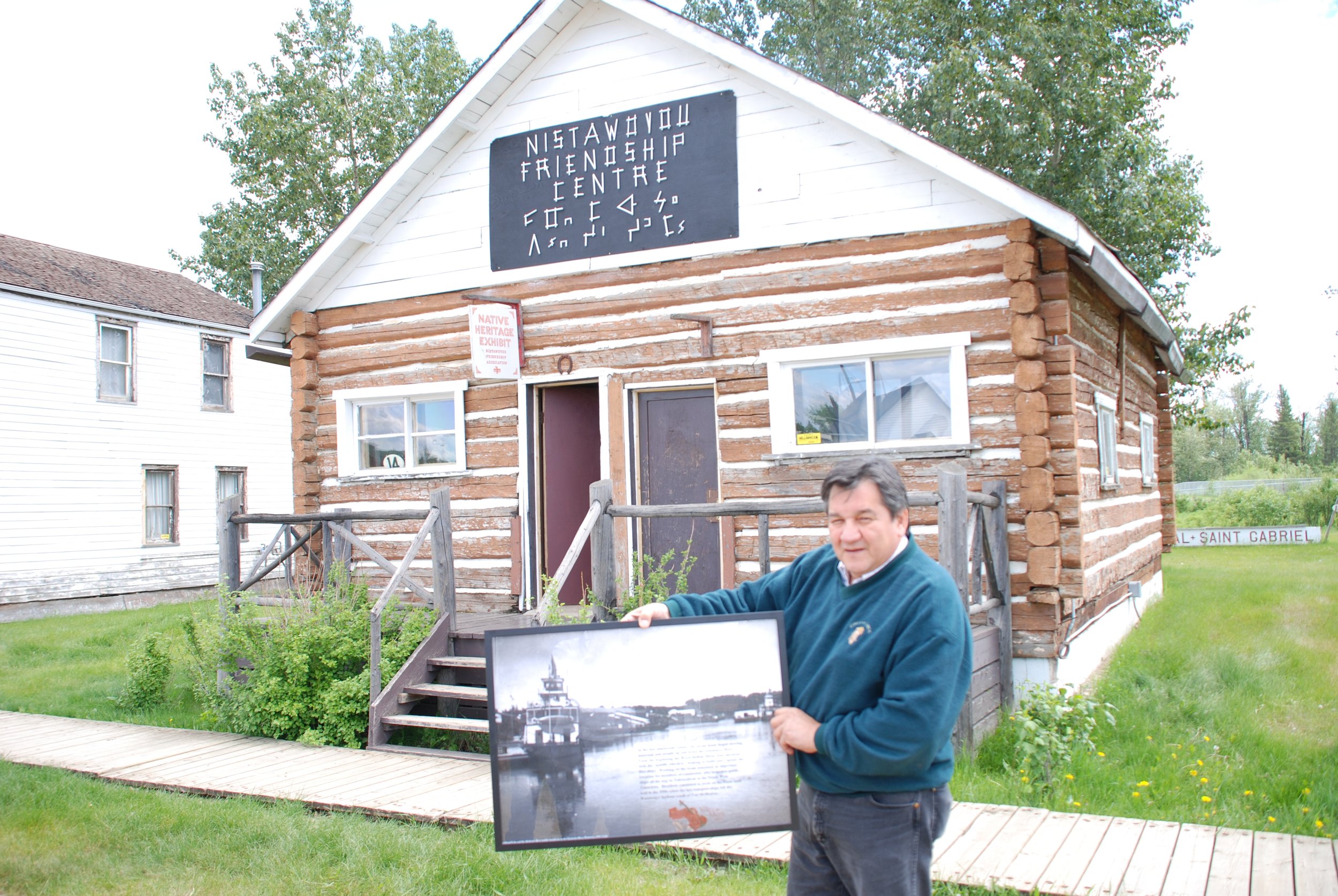
President of the Nistawoyou Friendship Centre: He led the Nistawoyou Friendship Centre for a period, contributing to programs and services supporting Indigenous people in the area. (Though I did not find a date in the sources I reviewed for when he held that presidency.) The Friendship Centre is an important community hub in Fort McMurray for Indigenous people. forwardsummit.ca
Métis Nation of Alberta—Region One: He served as President of this regional body. During that period, he was also elected Treasurer of the Métis Nation of Alberta. He also held the Environment and Resource Development portfolio. (These roles underscore his involvement in policy, environmental stewardship, and resource governance from a Métis perspective.) Sources from your initial outline are consistent with his track record, although I could not find specific documentation of every portfolio or title in my searches.
Representative and Board Memberships:
Athabasca Watershed Council (AWC) — he was elected as the Métis Representative. This role connects to land, water, and watershed governance in a region heavily impacted by oil sands development and other environmental pressures. forwardsummit.ca
Oilsands Advisory Group (OSAG) — involvement here indicates participation in large-scale industry/regulatory advisory processes. forwardsummit.ca
Cumulative Environmental Management Association (CEMA) — he served on the Board of Directors. CEMA is a regional environmental governance body that deals with cumulative effects of industrial development, especially related to oil sands. forwardsummit.ca+1
Initiatives, Achievements & Vision
Some of the key initiatives and achievements under Bill Loutitt’s leadership or in which he has played a part:
Land Ownership & Reconciliation Efforts: Under Loutitt’s leadership, McMurray Métis was able to finalize the purchase of ~3.7 hectares of Crown land off Highway 63 (south entrance of Fort McMurray), land that had been leased since 1996. This land investment is seen as part of a broader strategy of reclaiming land, restoring connection to traditional territory (especially to the Athabasca River), and moving toward a land settlement with municipal and federal governments. Windspeaker.com
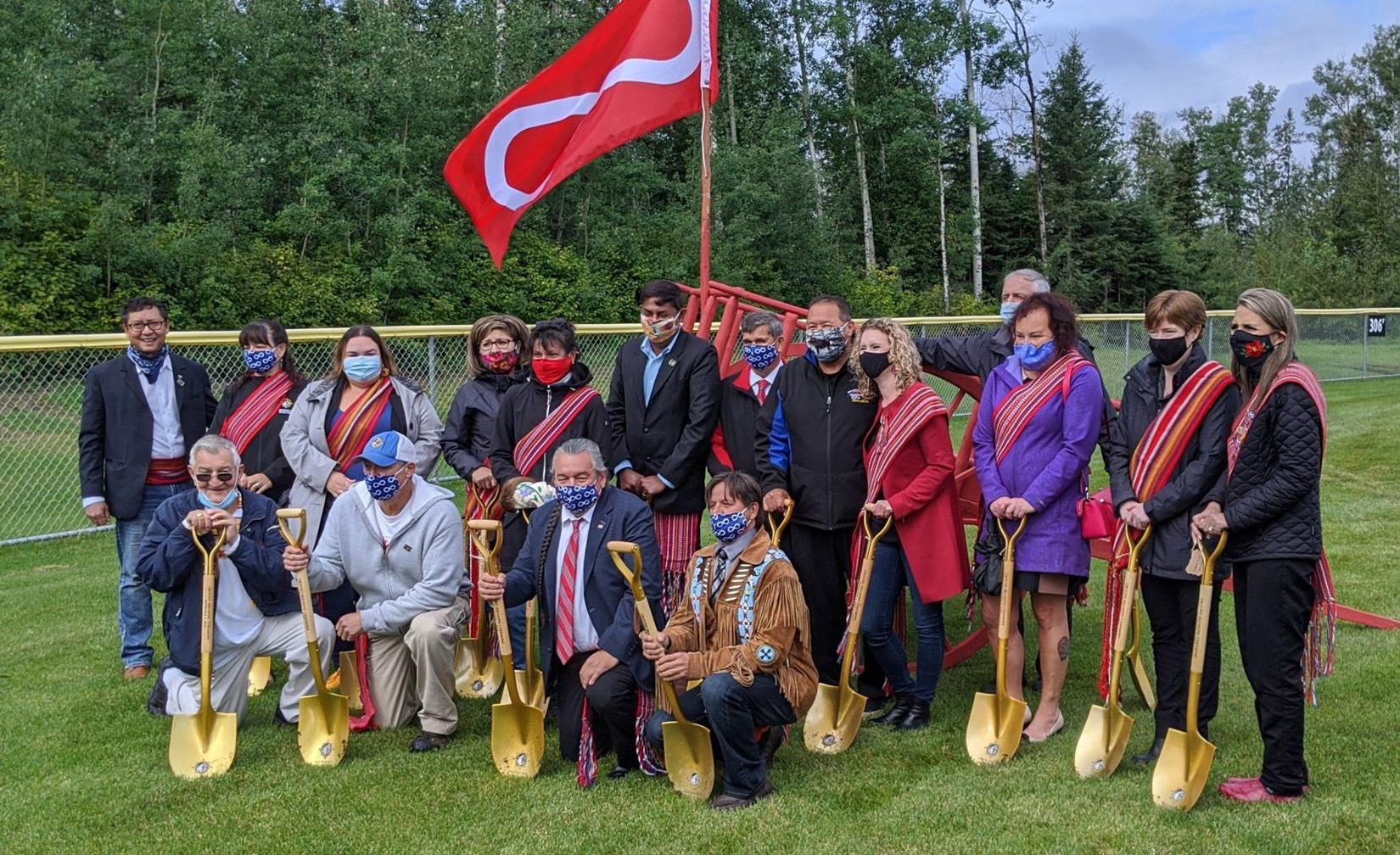
Métis Cultural Centre: Bill Loutitt is one of the public faces of the initiative to build a Métis Cultural Centre in Fort McMurray. This is a long-term vision (over decades), now moving into design and construction phases. The centre is intended not just as a cultural hall but a hub for Indigenous food sovereignty, gathering places, green infrastructure (e.g. rooftop greenhouses), wetlands, traditional plantings, and as a monument/celebration of Métis history in the region. The Tyee+1
Advocacy for Traditional Territory, Environmental Justice, and Reconnection: Bill has repeatedly emphasized that Métis reconciliation must include land, access to traditional waterways, restoring environmental stewardship, reconnecting people with river systems (especially the Athabasca), and recognizing the historical displacement or loss of access stemming from industrial development, lease arrangements, and other policy decisions. Windspeaker.com+2The Tyee+2
Innovation & Progressive Design: His leadership supports forward-looking design in community infrastructure that not only honours tradition but also integrates advanced environmental planning — for example, designing the cultural centre using net-zero or regenerative design principles, integrating food systems, bio-filtration, rooftop gardening, etc. The Tyee
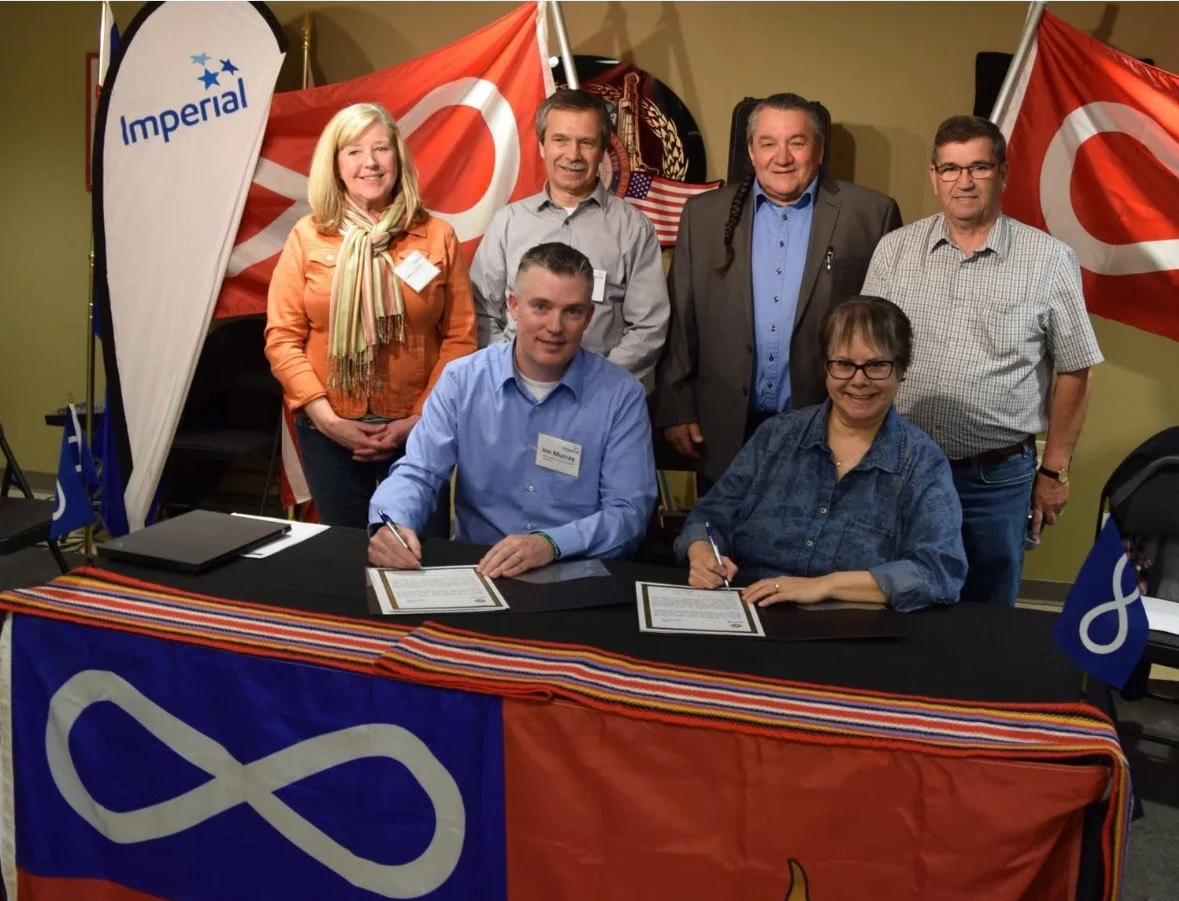
Professional Skills & Attributes
From both his professional background and community leadership, some of Bill Loutitt’s strengths include:
Technical and industrial experience: Deep hands-on knowledge of remote/mine operations and of industrial systems (from mining, underground work, then controls/electrical/instrumentation work in pipelines).
Organizational leadership and governance: Multiple elected and appointed roles over many years; comfortable in both grassroots local contexts and in policy-/institutional settings.
Environmental and resource advocacy: Active in watershed management, oilsands advisory, environmental associations — shows particular expertise in balancing community needs, traditional knowledge, and environmental protection.
Visionary planning: He seems to think long-term (decades), especially with land claims, infrastructure projects, cultural institutions.
Significance & Legacy
Under Bill Loutitt, McMurray Métis has strengthened its institutional profile in Northeastern Alberta, pursuing ownership (of land and infrastructure), cultural revitalization, and environmental stewardship.
His leadership connects industrial, environmental, and Indigenous governance in a region where oil sands development has had major economic, social, and ecological impacts.