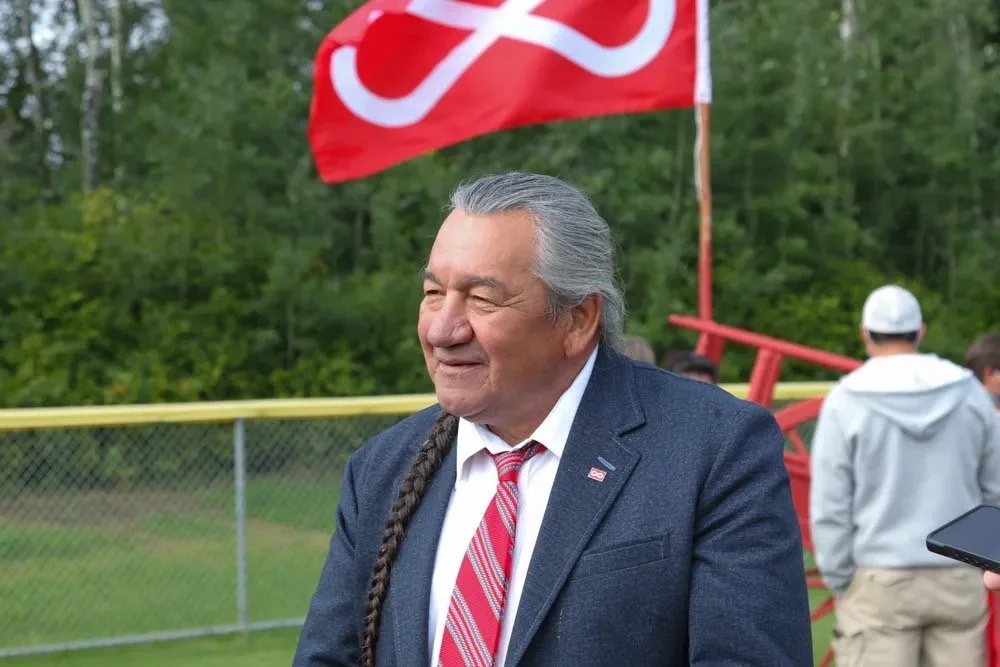
Bill Loutitt
A Proven Leader for the McMurray Métis
For the past 22 years, Bill Loutitt’s life and leadership reflect a profound commitment to Métis People, Culture, and Rights.
From guiding Community Organizations to negotiating with Industry, from defending Land Rights to leading in times of crisis, Bill has always stood at the intersection of Cultural Revitalization, Métis Rights, and a Thriving Community.
Community & Cultural Leadership
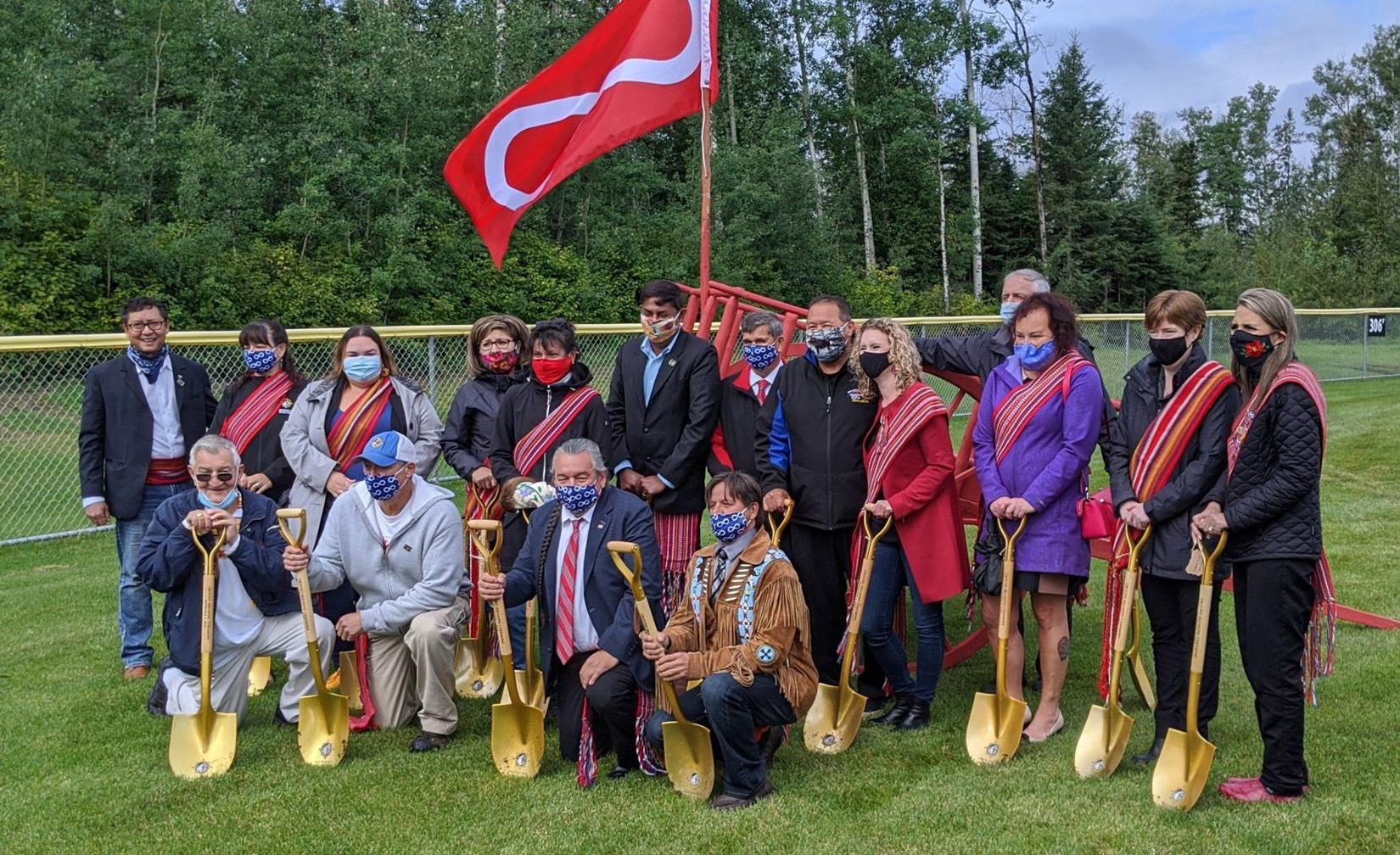
CEO, McMurray Métis Local #1935 (2017-2022)— represented nearly 800 members with a mandate to advance rights, culture, and opportunities in Fort McMurray and Northeastern Alberta. Spearheaded the Land Acquisition and the Design and Construction of the McMurray Métis Cultural Centre.
President, McMurray Métis Local #1935 (2005–2008) — strengthened governance and visibility of the Local.
President, Métis Nation of Alberta Region One (2008-2011)— advanced regional priorities within the provincial Métis Nation.
Treasurer, Métis Nation of Alberta ( 2008-2011) — managed provincial finances while holding the Environment & Resource Development portfolio.
President, Nistawoyou Friendship Centre (2015 - 2016) — supported urban Indigenous programming and services including Cultural/Indigenous Disaster Relief with Red Cross during the 2016 Wildfire and 2020 Flood.
Board Member & Vice President McMurray Métis Local #1935 (2000 - 2017) — negotiated numerous contracts, agreements, harvesting and rights for our Métis local.
Social Coordinator 100 year celebration Back to Batoche 1985 coordinated 700 rooms for members, hired Metis Music & Bands for two community socials of 1000 Métis from Western Canada.
Attended Government of Canada - Federal Court - Ottawa - Harry Daniels Verdict April 2016 - Daniels vs Canada Supreme Court, Federal Government rather than Provincial Governments holds legal responsibilities to legislate on issues related to Metis and Non-Status Indians.
Land, Rights & Reconciliation
Land Acquisition (2020)— led McMurray Métis to secure ownership of 9.2 acres of Crown land, leased since 1996, reclaiming territory at the south entrance of Fort McMurray.
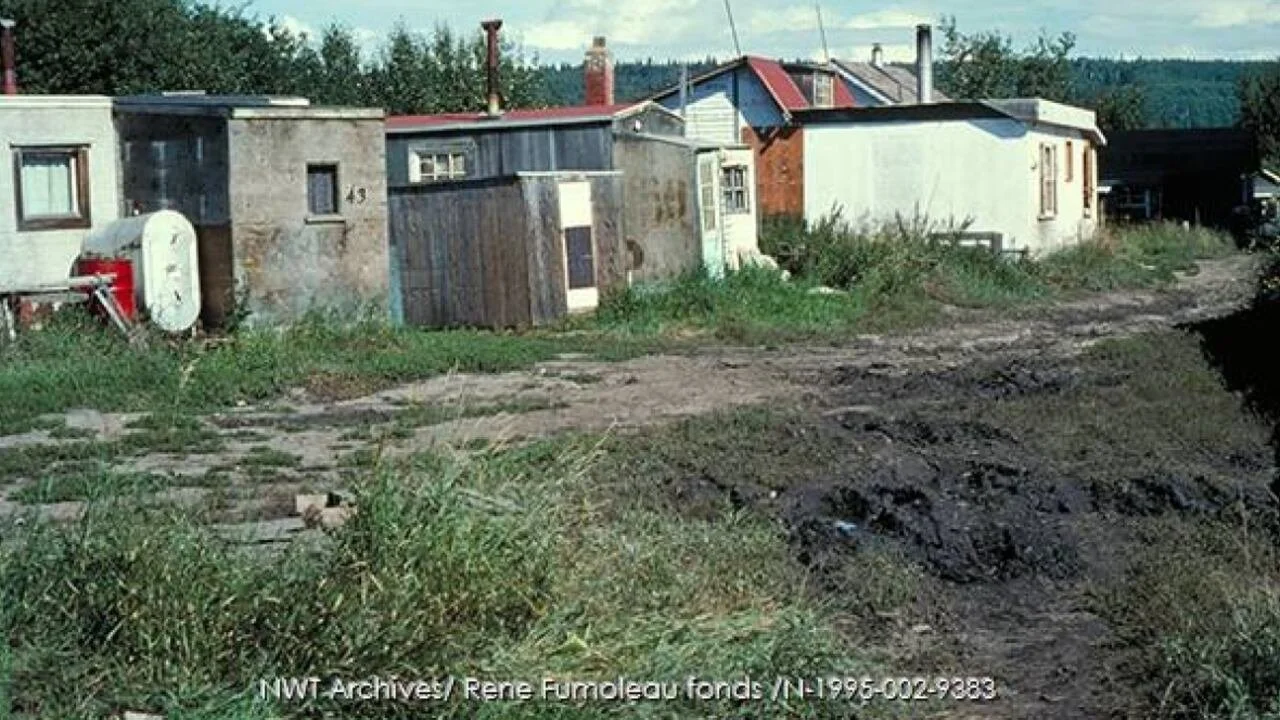
Moccasin Flats Justice (2019) — pressed the Regional Municipality of Wood Buffalo to acknowledge forced evictions of Métis families and issue a public apology.
Mark of the Métis (2017) — connected with groundbreaking research documenting Fort McMurray as a rights-bearing community under R. v. Powley, emphasizing ancestral continuity of the McMurray Métis Community.
Reconciliation Advocacy (2018)— affirmed that reconciliation must include land restitution and restored access to the Athabasca River, “the bloodline of our people.”
Environmental & Governance Roles
Athabasca Watershed Council (AWC) (2012-2014)— Board Member & Métis representative ensuring Indigenous rights and knowledge guided watershed planning.
Lower Athabasca Regional Plan (LARP) (2011) — Advised on Land Development plans for Northeastern Alberta.
Oilsands Advisory Group (OSAG) (2016)— Board Member who brought Métis voices into high-stakes discussions on oil sands regulation, cumulative effects, and stewardship.
Cumulative Environmental Management Association (CEMA) (2008-2015) — Board Member shaping frameworks on the cumulative effects of industry.
Economic Development & Partnerships
Infinity Métis Corp Joint Venture (2017-2022)— negotiated and established partnerships with Thompson Brothers, AlumaSafway, Norcan Electric, Midlite, TNT Crane, Terracon, Powell, Paragon,
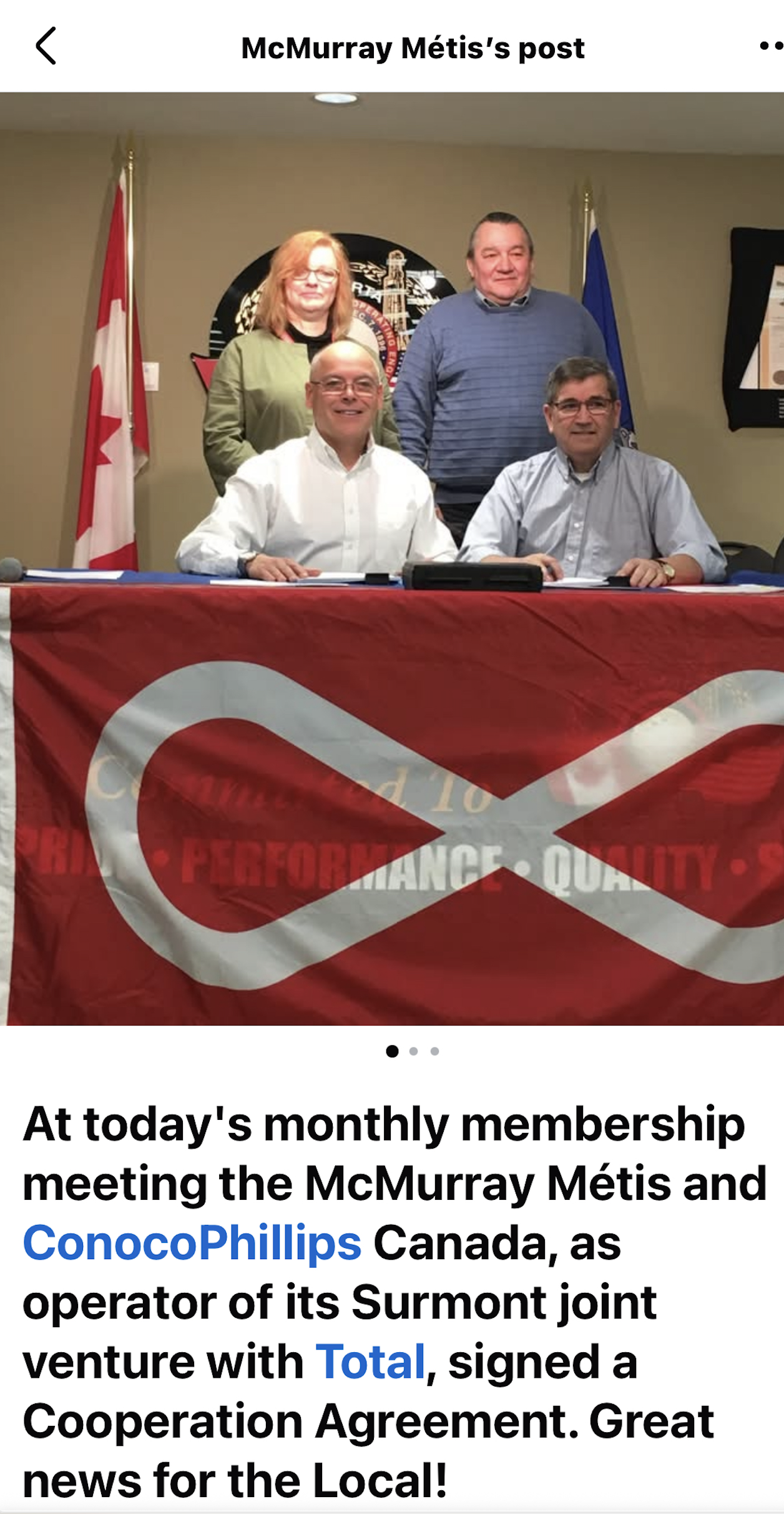
Industry Partnerships (2017-2022)— negotiated McMurray Métis agreements with Kearl, Shell, Cenovus, Trans Canada, Teck, Husky, Suncor and Syncrude securing jobs, contracts, and environmental commitments.
Visionary Projects (2020-2022)— championed the McMurray Métis Cultural Centre, blending cultural revitalization with net-zero carbon design and earning multiple international architecture awards.
Record Fundraising
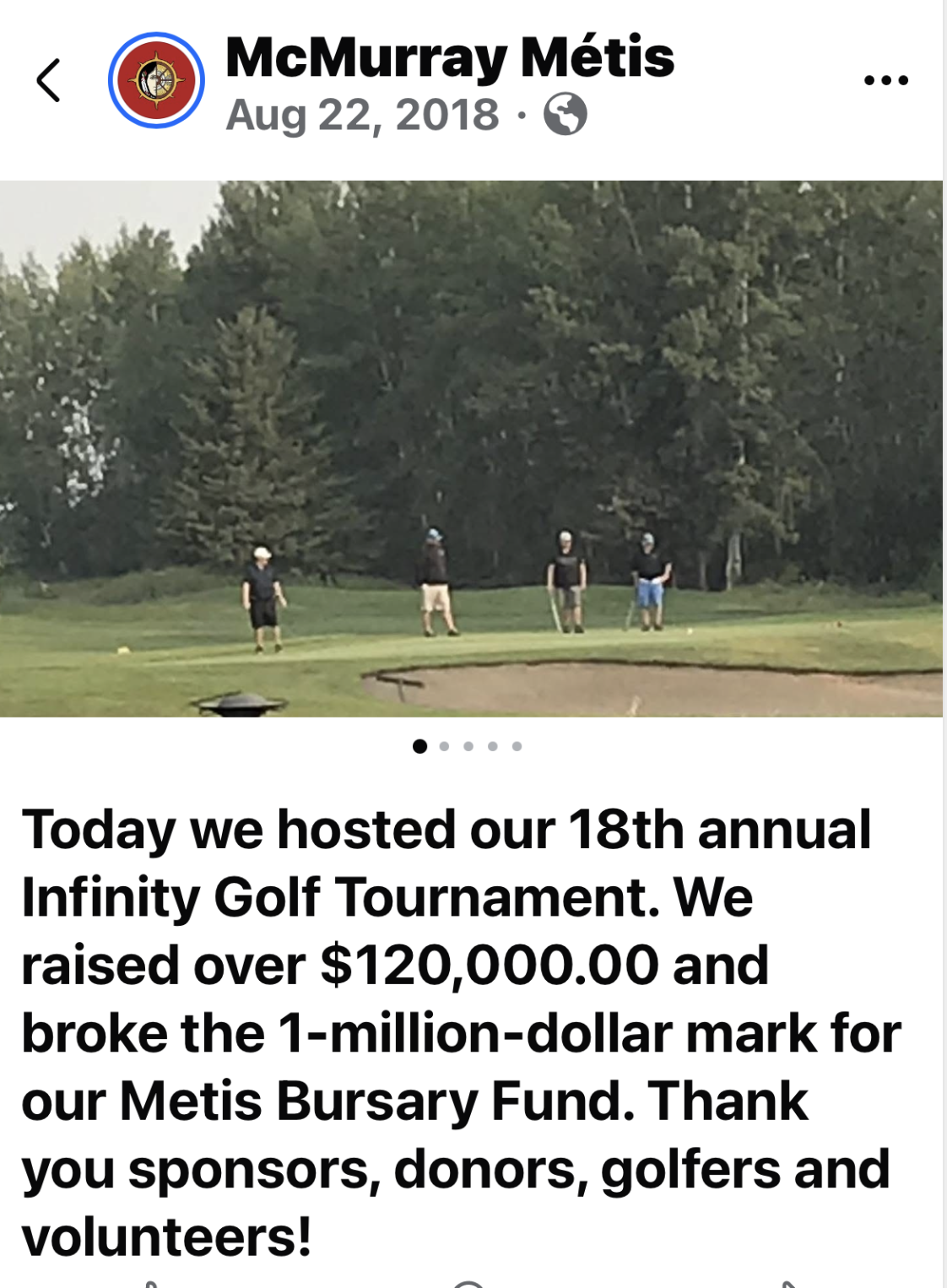
Under Bill’s leadership, McMurray Métis raised $39,346,120 in grants and donations for the Cultural Centre and secured the transfer of the 8.4 -acre site on MacDonald Island, valued at $3.4 million:
Investing in Canada’s Infrastructure Program Grant $16 500 000
RMWB Capital Grant $13 100 000
Heritage Alberta Cultural Spaces Grant $5 000 000
Smart Sustainability Resilient Infrastructure Alberta $496 120
Emissions Reductions Alberta $550 000
Donations $300 000
Assessed Value of the 8.4 acre site transfer by RMWB $3 400 000
Leadership in a Time of Crisis
Fort McMurray Wildfire 2016 — as Vice-President, provided urgent support for Métis evacuees, securing housing, reconnecting families, and ensuring Métis voices were heard in recovery efforts.
Fort McMurray Flood 2020 — as CEO, provided urgent support for Métis evacuees, securing housing, reconnecting families, and ensuring Métis voices were heard in recovery efforts.
COVID Pandemic 2020-2022— as CEO, provided urgent financial support for McMurray Métis members including Elders and Youths.
Recognition & Influence
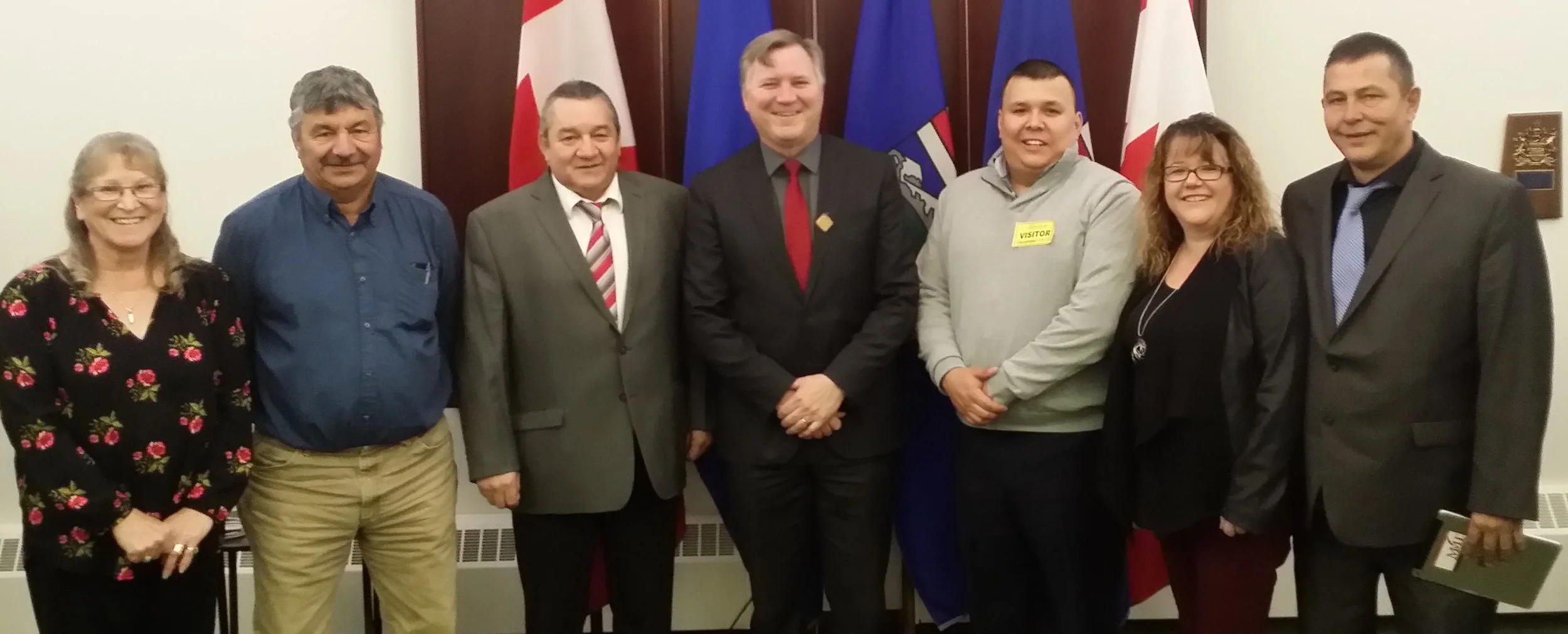
Political Engagement 2006-2025 — met with Federal, Provincial and Municipal Leaders to elevate Métis issues at the highest levels.
International Recognition — under his leadership, the McMurray Métis Cultural Centre design received accolades from the Larsen Awards, Global Architecture & Design Awards, and International Architecture Awards.
Public Advocacy — featured in International, National, Provincial and Local news as a trusted voice for Métis rights, reconciliation, and environmental stewardship.
Professional Career
26 Years, TransCanada Pipelines — Electrical, Instrumentation & Controls Technician.
15 Years in Mining — Underground mining experience in Uranium City, Yellowknife, Whitehorse, and mines across Saskatchewan and Manitoba.
Legacy of Leadership
Bill Loutitt’s leadership is rooted in action: securing land, raising funds, strengthening governance, building partnerships, and ensuring the Métis community is never left on the sidelines. His record shows a lifetime of resilience, advocacy, and bridge-building — between past and future, community and government, tradition and innovation.
With Bill Loutitt, the McMurray Métis have a leader who delivers!

Oil Sand Advisory Group
We want to recognize the important role that Bill Loutitt has played in advocating for Métis engagement and environmental responsibility in Alberta — especially his service on the Oilsands Advisory Group (OSAG).
As a Métis Representative on OSAG, Bill helped bring Indigenous perspectives into a high-stakes conversation about oil sands development, cumulative effects, and regional stewardship. forwardsummit.ca His experience and voice added legitimacy and balance to the advisory process, ensuring that community concerns, traditional knowledge, and the rights of Métis people were part of the dialogue.
While some in the media focused on sensational comparisons (e.g. critics labelling the region “Mordor”), what Bill’s presence shows is a commitment to working in the room, influencing policy from within, and striving for better outcomes — not simply protest from the margins.
His broader history — including roles in environmental governance (e.g. Athabasca Watershed Council) and his long record of leadership in the Métis community — strengthens his standing at those tables.
Let’s highlight and support leaders like Bill who bridge community voices and institutional decision-making. Their participation often makes the difference in whether a process is merely symbolic or meaningfully inclusive.
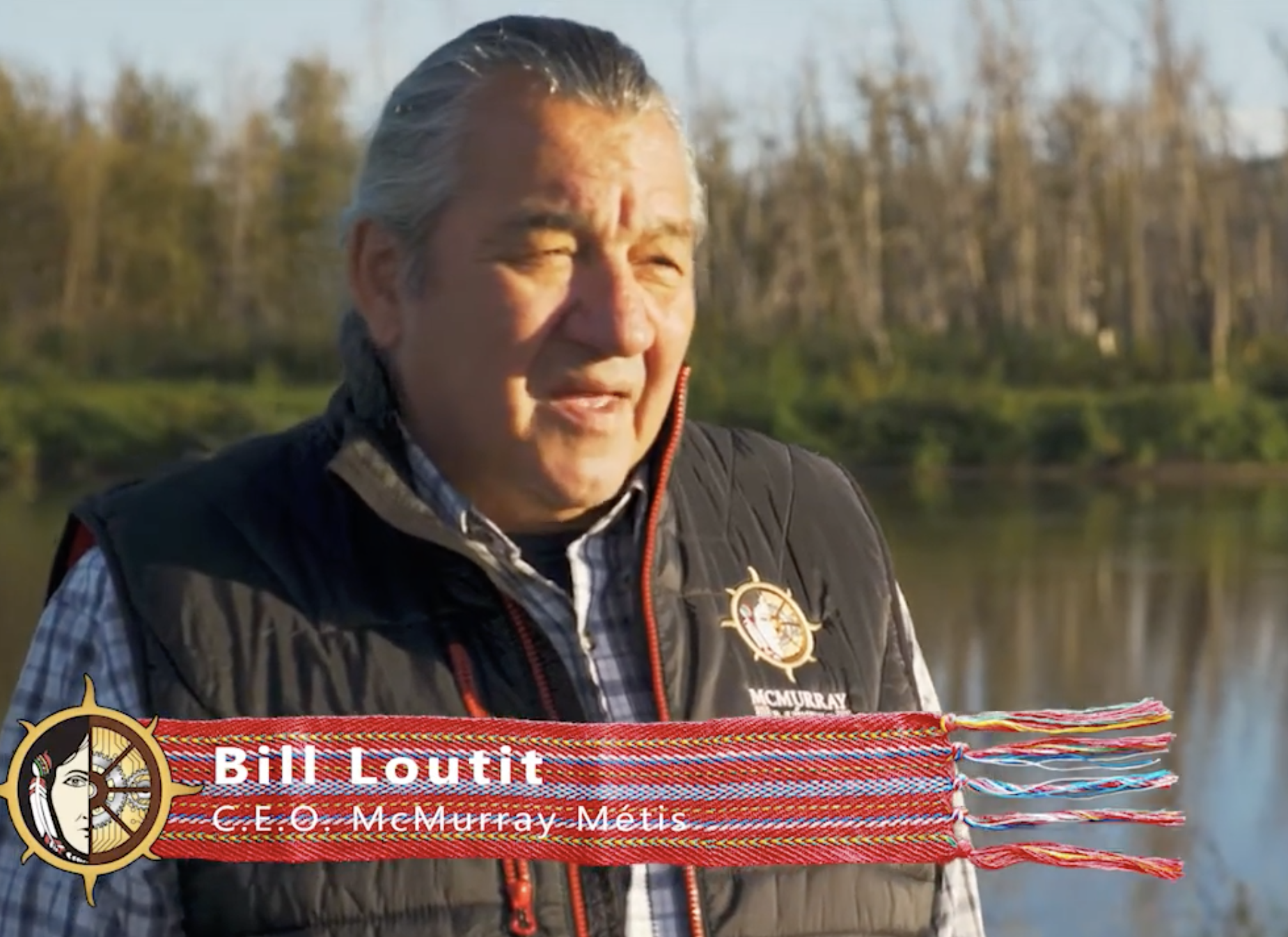
McMurray Métis Renew Relationship with Suncor — Bill Loutitt Leads the Way
The McMurray Métis recently announced a renewed long-term agreement with Suncor Energy, signaling a recommitment to collaboration around jobs, business opportunities, and environmental stewardship. play 103.7 | Harvard Media
Bill Loutitt, CEO of McMurray Métis, described the agreement as “a true sign of respect by Suncor,” stressing that this partnership is meant “for the betterment of our 660 plus proud members of the Métis Nation of Alberta.”
Why It Matters
This agreement focuses on mutually beneficial priorities such as business contracts, employment, and environmental care, ensuring the Métis community plays a meaningful role in regional resource development.
The renewal underscores McMurray Métis’s strategy to engage industry partners — not only to defend rights but also to open economic pathways for our people.
It’s also a public signal: Métis communities are strategic partners, not bystanders, in energy development.
Bill Loutitt’s leadership in this renewal is a continuation of his long practice of bringing Métis voices into industrial, environmental, and governance dialogues.
Bill Loutitt Stands with McMurray Métis in Calling for Apology
The McMurray Métis Local is demanding a public apology from the Regional Municipality of Wood Buffalo for the forced evictions and relocations suffered by Métis families — including at least 14 households — years ago. ca.news.yahoo.com
As a longstanding leader of McMurray Métis, Bill Loutitt has been a key voice supporting this call. His advocacy amplifies the community’s demand that these wrongs not be swept under the rug, but acknowledged openly in the public sphere, with responsibility and redress.
Bill’s role as CEO (and previously other leadership roles) gives him platform and legitimacy to press for accountability in local government.
His leadership ensures that the histories of rights violations (including displacement) are not forgotten, but form part of the narrative of reclaiming land, identity, and justice.
By supporting the demand for apology, Bill is pushing for more than words — he is pushing for recognition, reconciliation, and potentially tangible responses (such as land returns or restitution).
Our history includes painful chapters. But with leaders like Bill Loutitt, the Métis community is making sure those chapters are not erased. They are brought into the light, remembered, and acted upon.
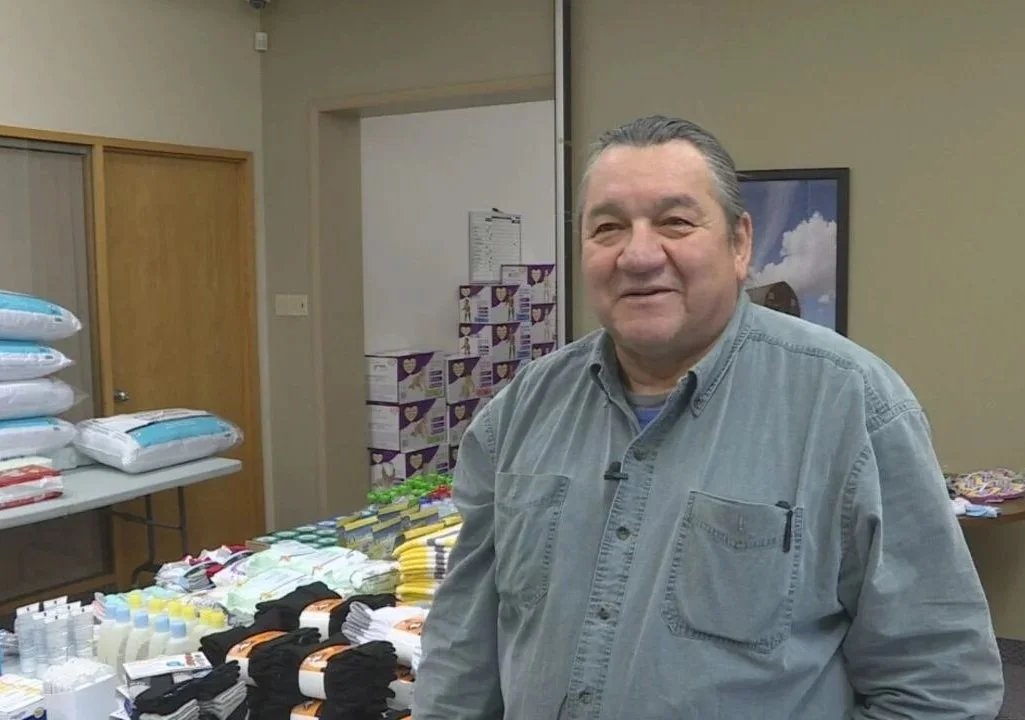
Bill Loutitt: Supporting Métis Families During the Fort McMurray Wildfire
When the devastating wildfires forced tens of thousands to evacuate Fort McMurray in May 2016, the Métis community faced unique challenges — displacement from homes, separation from family, and uncertainty about when they could return.
As Vice-President of McMurray Métis at the time, Bill Loutitt played a critical role in coordinating relief and support for Métis evacuees. Speaking with CBC, he emphasized that many community members urgently needed temporary housing and opportunities to reconnect with family and friends scattered by the evacuation.
Under his leadership, McMurray Métis mobilized resources and networks to:
Provide housing assistance for families who had lost homes or were unable to return.
Offer emotional and cultural support, ensuring evacuees stayed connected with each other and with their Métis identity during a time of upheaval.
Advocate for Métis voices in the wider recovery effort, ensuring that the distinct needs of Indigenous evacuees were recognized by municipal and provincial agencies.
Bill’s actions in this crisis reflect his broader leadership philosophy: community first, guided by the principle that reconnection — to family, to culture, and to land — is essential to resilience. https://www.cbc.ca/news/canada/edmonton/finding-temporary-housing-a-priority-for-m%C3%A9tis-evacuees-1.3576377
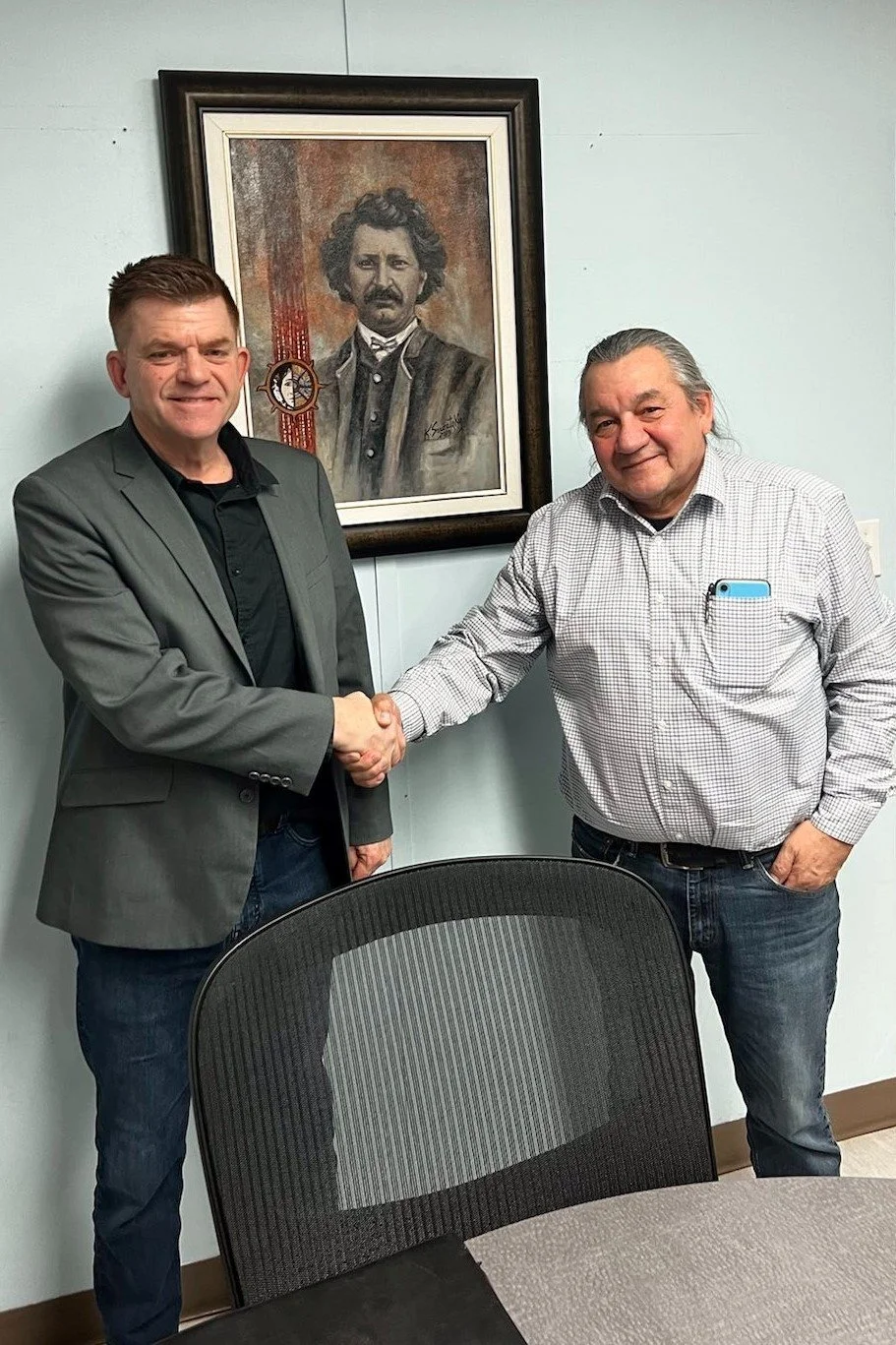
Bill Loutitt Meets Brian Jean — Strengthening Community Dialogue
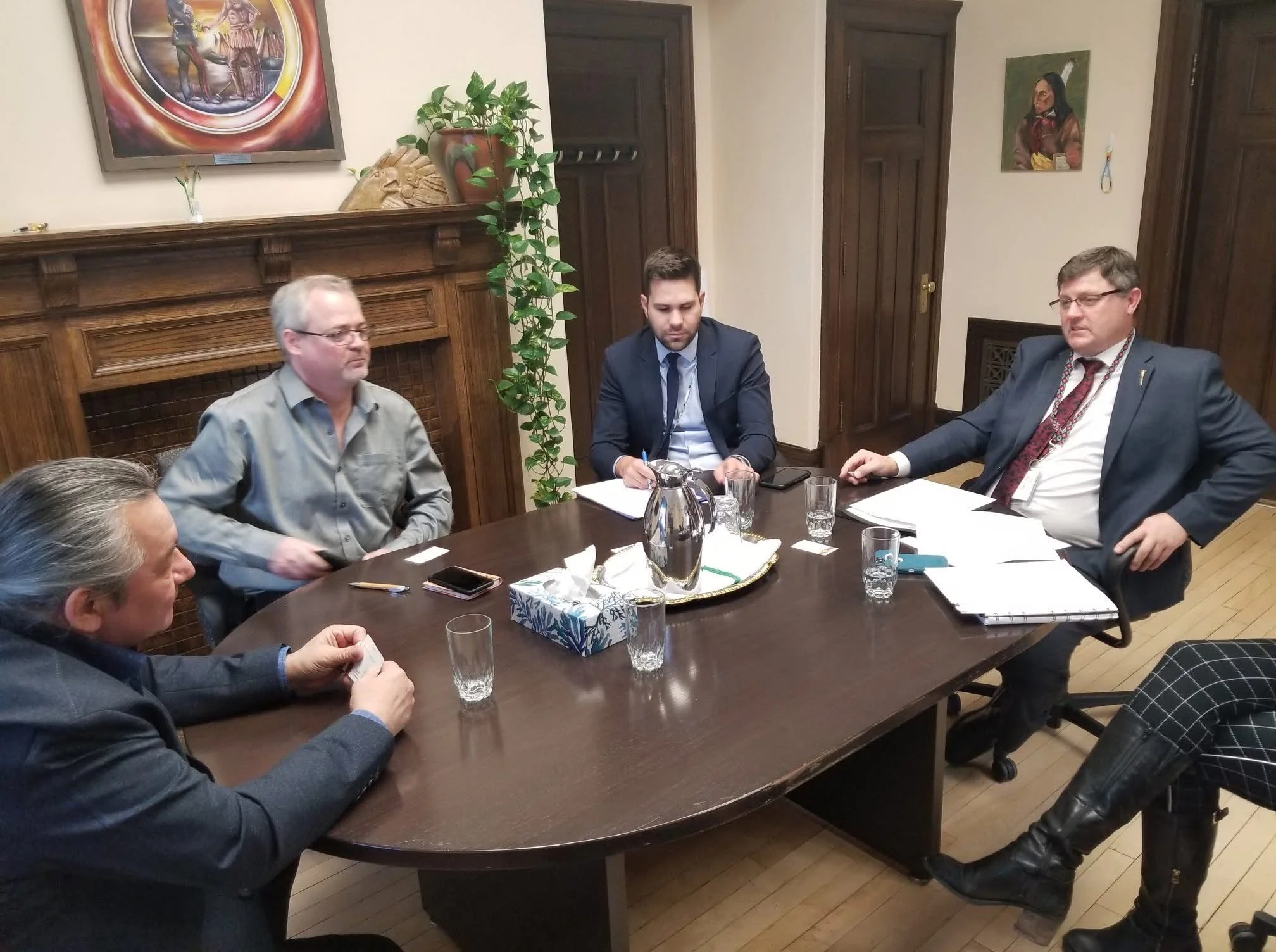
In 2022, Bill met Brian Jean, MLA and former leader of the Alberta United Conservative Party, shared on his Facebook page that he “had the pleasure of sitting down with Bill Loutitt, the CEO of the McMurray Métis Local,” to discuss issues that matter to the Métis community and the region. Facebook
This meeting is significant for several reasons:
Direct Engagement with Political Leadership
By meeting with Brian Jean, Bill Loutitt positions McMurray Métis in direct conversation with provincial political influence. This engagement offers a platform to articulate Métis priorities, concerns, and opportunities at a policy level.Community Interests on the Agenda
The post notes that they discussed “the issues that matter to his community.” Though not all items were spelled out, such meetings typically cover topics like land rights, resource development, environmental monitoring, infrastructure, and community development — areas in which Bill has long been active through McMurray Métis, environmental councils, and advisory bodies.Visibility and Legitimacy
A public meeting like this helps raise the visibility of McMurray Métis’ concerns in the broader regional conversation. It underscores that the Métis community is an active stakeholder whose voice should be heard in provincial decision-making circles.Opportunity for Advocacy and Partnerships
Such dialogue is a step toward building alliances, influencing policy agendas, and potentially unlocking support (financial, regulatory, or political) for Métis-led initiatives — from cultural infrastructure (e.g. the McMurray Métis Cultural Centre) to resource stewardship and land claims.Continuity of Leadership Engagement
Bill Loutitt’s long record of participating in boards, watershed councils, and advisory groups is extended through this kind of high-level discussion. It reinforces his role as a bridge between grassroots Métis membership and institutional governance.
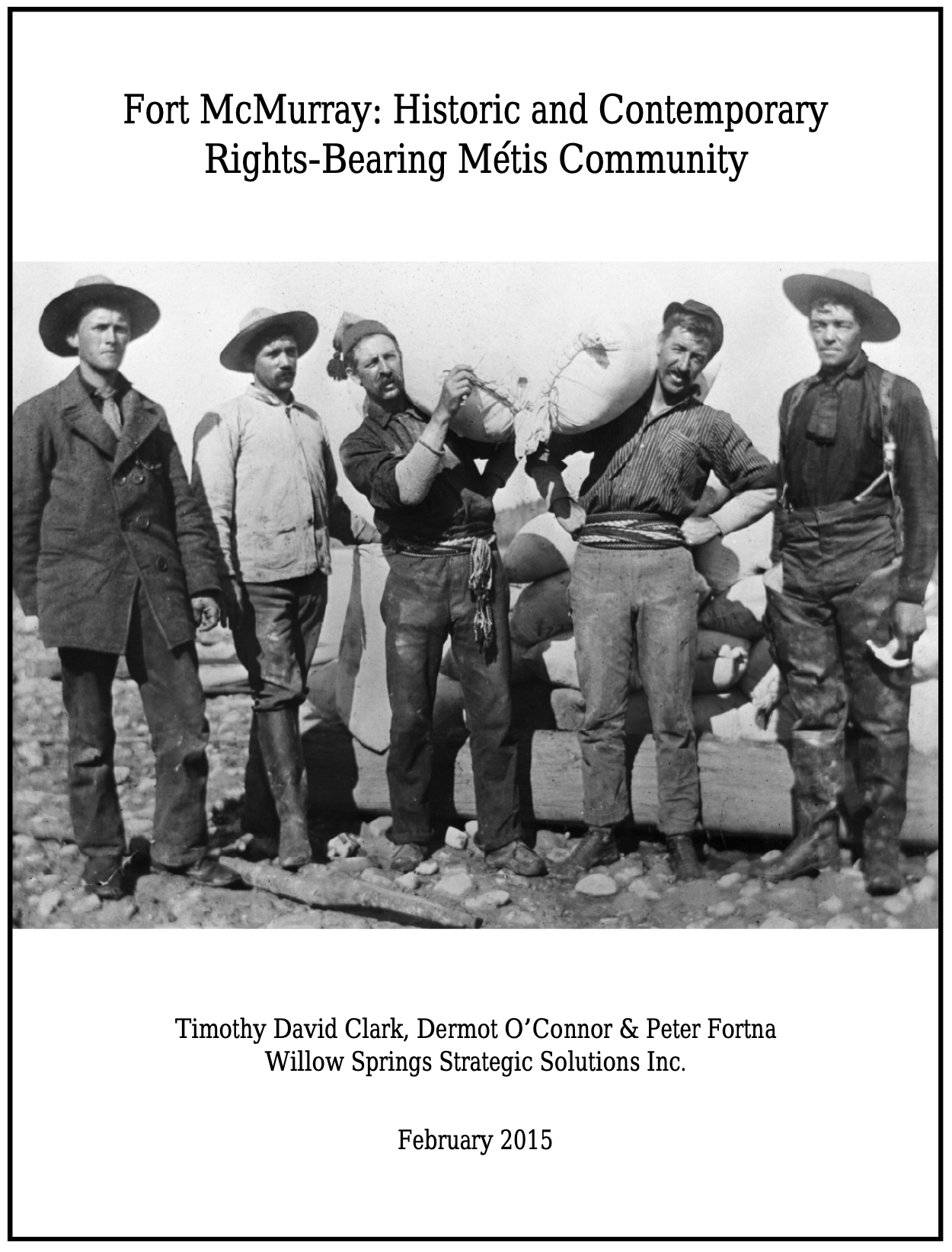
Mark of the Métis
Bill Loutitt’s Role in the Fort McMurray Métis Historical Narrative & Rights Advocacy
The report Fort McMurray: Historic and Contemporary Rights-Bearing Métis Community (also known as Mark of the Métis) lays out a deeply researched argument showing that Fort McMurray is a Métis community with ancestral continuity, distinct cultural practices, and a claim to harvesting rights under R. v. Powley. Academia+1
Bill Loutitt’s involvement and relevance to that narrative can be understood at multiple levels:
1. Ancestral Connection & Continuity
The Mark of the Métis report specifically names the Loutitt family among the early Métis families around Fort McMurray.
In the text, there is a personal anecdote about “Billie” Loutit (“William Loutit”) with a house on McDonald Island, with a foot in the water, as part of the local river-lot settlement. This embeds the Loutitt name into the oral and archival record of settlement in the area.
Because the genealogical and oral history work in the report seeks to bridge historic Métis families to the contemporary community, Bill Loutitt (as a descendant) is part of that living continuity — both a bearer of lineage and a steward of community memory.
2. Leadership & Political Expression of Rights
The report describes how, in the mid-20th century and onward, the McMurray Métis community mobilized politically — forming Local organizations, pressing for recognition of harvesting rights, and asserting their identity amid industrial encroachment.
Bill Loutitt’s leadership roles in McMurray Métis, in Métis Nation of Alberta (Region One), and in bodies like the Oilsands Advisory Group or Watershed councils, align him directly with that era of political organization and rights advocacy. His participation is an active continuation of the trajectory the report outlines: from community identity to rights claims in contemporary governance forums.